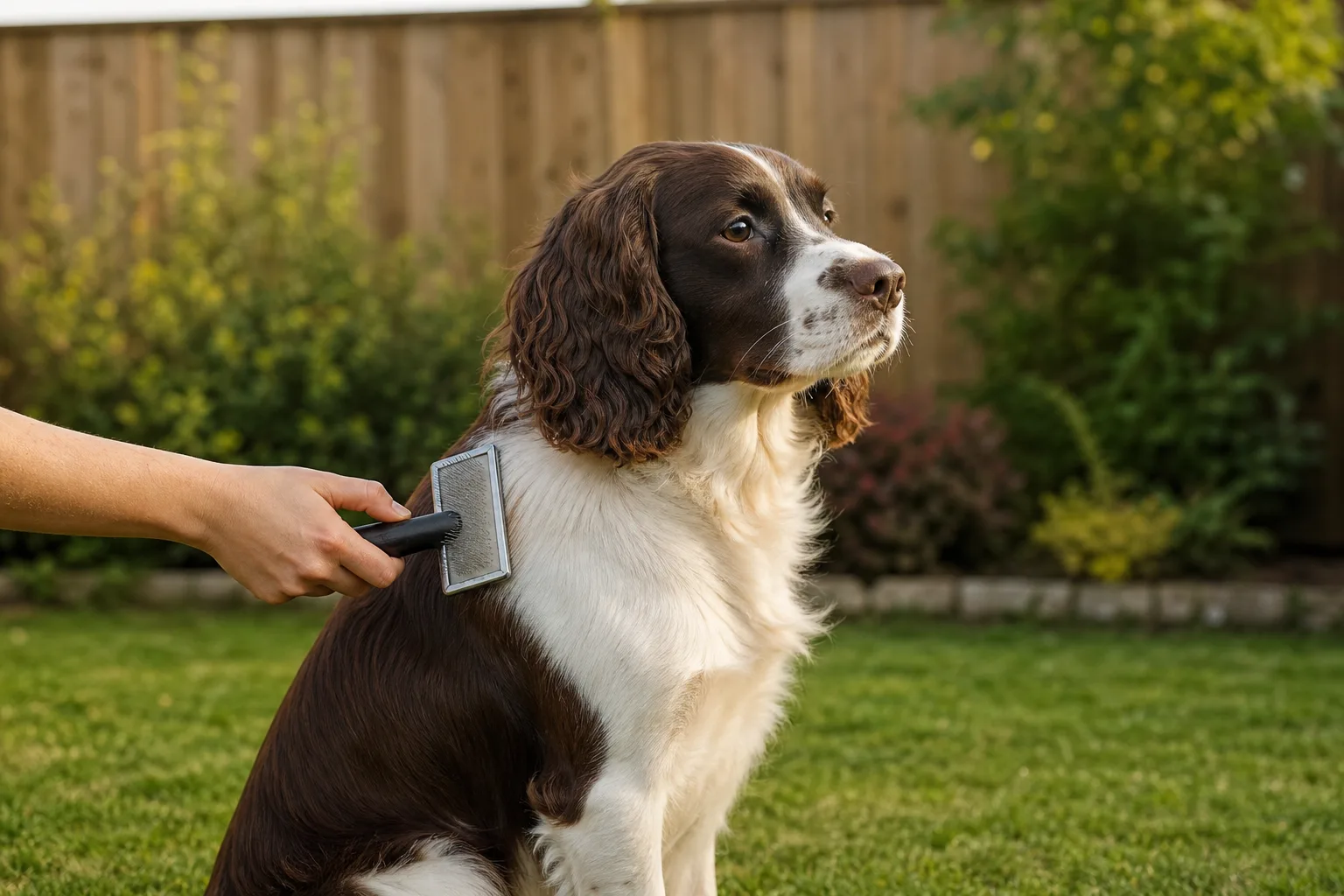
Diet and grooming are two halves of the same coin when it comes to coat condition: good nutrition supplies the building blocks for skin and hair, while regular, appropriate grooming keeps the coat clean, distributes natural oils and removes debris — together they create a glossy, comfortable coat.
Introduction
A dog's coat is a visible result of internal and external care. What they eat determines the quality of new hair and the resilience of the skin barrier, while your daily and weekly grooming choices influence how that hair lies, how oils are spread and how easily dead hair and dirt are removed. In the variable British climate — damp winters and warm summers in places like Kettering and Barton Seagrave — small, consistent habits make a big difference.
How diet affects coat condition
Healthy hair growth starts from within. Key nutritional areas that influence coat quality include:
- Protein: Hair is mostly protein (keratin). A diet with appropriate, digestible animal-based protein supplies amino acids needed for strong, growing hair.
- Essential fatty acids (EFAs): Omega-3 and omega-6 fats support skin hydration and reduce dry flaking. They don’t instantly change a coat overnight, but sustained intake helps natural shine and suppleness.
- Vitamins and minerals: Zinc, biotin, vitamin A and vitamin E are commonly linked to healthy skin and hair, as are trace minerals that support the skin barrier.
- Hydration and overall condition: Adequate fresh water and a balanced diet support circulation and skin health; a poorly hydrated dog can show duller, brittle hair.
- Gut health: A settled digestive system improves nutrient absorption — which feeds the skin and coat.
Notes on supplements
Some owners add fish oil or specialised skin-and-coat supplements. These can support coat quality but should be considered an adjunct, not a replacement for a balanced diet. Always check with your vet before starting supplements, particularly if a dog is on medication or has health issues.
How grooming supports the coat
Grooming is more than aesthetics — it maintains the coat’s function.
- Brushing: Regular brushing removes loose hair and dirt, prevents matting and helps distribute the coat’s natural oils from the skin along hair shafts. The right brush used with the right technique is essential — see our guide to choosing brushes for different coats for specifics. (/blog/choosing-the-right-brush-and-comb-for-your-dogs-coat)
- Bathing: Correct bathing cleans the coat and can reduce itchiness and odour, but over-bathing removes natural oils. Use a dog-appropriate shampoo and follow frequency guidance for your coat type. For when to bathe, see our practical bathing frequency guide. (/blog/bathing-frequency-signs-your-dog-needs-a-wash)
- Dematting and detangling: Small tangles left unchecked can become painful mats that trap dirt and moisture. Use gentle detangling techniques or leave severe matting to a professional — see our safe detangling steps before a salon visit. (/blog/safe-detangling-before-a-salon-visit-gentle-at-home-techniques-for-owners)
- Trimming and professional upkeep: Some coats need periodic trimming to maintain shape and comfort. Never use scissors at home on skin-close areas unless you are trained — a qualified groomer will manage this safely.
Where diet and grooming interact
These two areas overlap in several practical ways:
- Oil distribution and brushing
Brushing spreads natural skin oils across hair, which enhances shine and water resistance. If a dog's diet supplies sufficient EFAs, those oils will be healthier and more easily distributed by brushing — creating a visibly glossier coat.
- Bathing, skin lipids and nutrition
Frequent or harsh bathing strips lipids from the skin. A nutritionally strong skin barrier (supported by EFAs, vitamins and adequate protein) helps the skin recover. Conversely, if diet is poor, even careful bathing may leave the coat looking dull or dry.
- Shedding and seasonal changes
Nutritional status influences how a dog responds to seasonal shedding. A well-fed dog with the right balance of nutrients typically moults predictably, while dietary shortfalls can exaggerate shedding or make hair weaker and more brittle. Regular brushing during seasonal blows helps remove loose undercoat and works best when both grooming and diet are consistent. For heavy-shedding strategies, see our guide. (/blog/managing-heavy-shedding-gentle-strategies-that-reduce-loose-hair)
- Skin comfort, grooming tolerance and behaviour
Dogs with itchiness from poor skin condition are less tolerant of grooming. Improving diet to support the skin barrier can reduce discomfort, making brushing and salon visits calmer. If your dog shows persistent itching or soreness, ask a vet — grooming can’t treat underlying health problems.
Practical routines that combine diet and grooming
Create simple, predictable routines adapted to your dog’s coat type and daily life in the UK:
Daily (short to medium coats)
- Quick brush to remove loose hair and distribute oils (5–10 minutes).
- Check skin for redness, flakes or parasites.
- Fresh water and measured meals of a complete diet.
2–3 times weekly (long or thick coats)
- Longer brushing session with detangling where needed using tools matched to the coat — our coat-care tools article explains uses and safe handling. (/blog/coat-care-tools-every-owner-should-own-what-they-do-and-how-to-use-them-safely)
- Spot bath if dirty, otherwise rely on brushing to keep the coat tidy.
Monthly or seasonal
- Full groom or professional visit if the coat requires trimming, de-shedding or a thorough detangle. Professional groomers can assess coat condition and advise on diet or topical products.
- Consider seasonal adjustments in feeding slightly higher calories or different coat care during heavy moult, but only alter diets after checking the packaging or speaking to your vet.
Practical tips for UK weather
- Damp winters: Thorough drying after wet weather reduces matting and bacterial growth. A diet that supports skin resilience can help against winter dryness.
- Hot summers: Lighter coats may need more frequent brushing to remove dead hair. Hydration is especially important.
Safety and when to ask for professional help
- Do not use human shampoos or home remedies without checking ingredients. Some commonly used human products harm dog skin.
- Avoid cutting mats with blunt methods at home. Severe matting, skin sores, bleeding or persistent hair loss should be seen by a vet or experienced groomer.
- If you notice sudden, intense scratching, patchy hair loss, greasy or flaky skin, open sores or dramatic coat changes, make an appointment with your vet — these are reasons to rule out allergies, parasites, hormonal or other medical issues.
Bringing it together
A shiny, comfortable coat is the result of both internal nourishment and regular, appropriate external care. Feed a balanced diet suited to your dog’s life stage and condition, maintain a gentle grooming routine matched to coat type, and keep a watchful eye on skin and behaviour. Small, consistent actions — the right brush, the right frequency of bathing, and steady nutrition — will pay dividends for your dog's comfort and appearance.
If you’re in the Kettering area and unsure where to start, a professional groomer can demonstrate brushing technique, recommend suitable tools and advise on when a vet referral is needed. Combining practical home care with occasional professional maintenance keeps coats at their best, season after season.
Conclusion
Diet provides the materials; grooming shapes and protects them. Treat both as complementary parts of your dog’s wellbeing. With balanced nutrition, gentle grooming and timely professional advice, you’ll help your dog feel better and look their best without unnecessary fuss.
Related grooming guides
Frequently asked questions
How soon will a diet change improve my dog's coat?
Visible improvement usually takes several weeks to a few months because hair grows slowly. Expect changes in skin and new hair quality after around 8–12 weeks; check with your vet before changing food or adding supplements.
Can brushing replace good nutrition for a shiny coat?
No. Brushing helps distribute oils and remove loose hair, but nutrition supplies the structural building blocks. Both are needed for lasting coat health.
How often should I bathe my dog without stripping natural oils?
Frequency depends on coat type and lifestyle. Most dogs do well with occasional baths using a dog-formulated shampoo; see our bathing guide for coat-specific advice. (/blog/bathing-frequency-signs-your-dog-needs-a-wash)
Are fish oil supplements safe for improving shine?
Fish oil can support skin and coat when used appropriately, but always check dose and safety with your vet — especially for dogs on medication or with medical conditions.
When should a vet or groomer assess my dog's coat?
Ask a vet or qualified groomer if you see sudden hair loss, severe matting, persistent itching, sores, scaling or rapid coat change. These signs need professional assessment rather than home remedies.